



Mazda Winter Service Checklist for Northeast Ohio
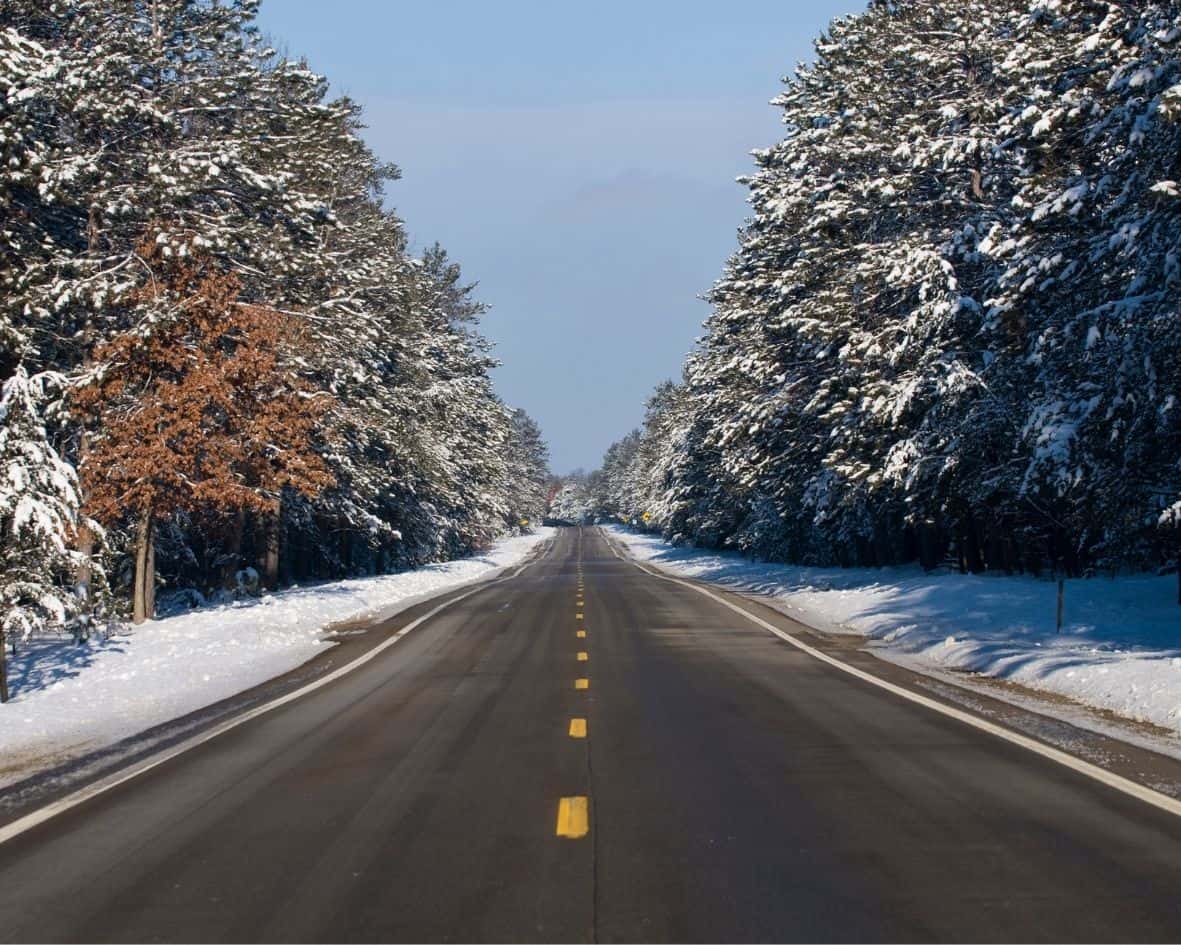
If you’re an Ohioan, you know Northeast Ohio winters are not gentle. Between lake-effect snow off Lake Erie, road salt that eats at everything it touches, and temperatures that can drop well below freezing overnight, your Mazda needs a little extra attention before the cold really sets in. This checklist covers the three areas that matter most heading into winter: brakes, battery, and tires. Go through each one, and you will head into the season with confidence.
Why Winter Prep Matters for Your Mazda
Mazda builds vehicles with a strong focus on how they feel to drive. That philosophy, called Jinba Ittai, is about the connection between driver and car. But even the most carefully engineered vehicle cannot perform the way it should if the components keeping you safe and moving are worn or weak. Cold weather accelerates wear, thickens fluids, and puts extra demand on systems that might have been just barely acceptable in October. Northeast Ohio winters in particular tend to be long, wet, and unpredictable. Getting ahead of that is the smart move.
Brakes: Your First Line of Safety on Snowy Roads
Stopping distances increase on snow and ice no matter what. Worn brakes make that problem significantly worse.
Here is what to check before winter arrives:
- Brake pad thickness. Most mechanics use a simple measurement to determine how much pad life remains. If yours are getting close to the minimum, winter is not the time to push them. The combination of cold temperatures and abrasive road salt adds wear quickly.
- Brake rotors. Look for scoring, deep grooves, or uneven wear. Warped rotors cause pulsing when you press the pedal, which is already a problem in dry conditions and a more serious one on slick roads.
- Brake fluid. Brake fluid absorbs moisture over time. Water in the system lowers the boiling point of the fluid and can lead to reduced braking performance. Mazda recommends checking and replacing brake fluid on a regular schedule. If yours has not been flushed recently, winter is a good time to address it.
- Warning signs you should not ignore. Squealing when you apply the brakes, a grinding noise, a soft or spongy pedal feel, or a pulling sensation to one side are all signs that your brakes need attention now. Do not wait.
Battery: Cold Weather Is Hard on Electrical Systems
A battery that starts your Mazda just fine in September may leave you stranded in January. Cold temperatures reduce a battery’s ability to deliver current, and the engine itself requires more power to turn over in the cold. That combination is why so many dead battery calls happen in winter.
- Battery age. Most automotive batteries have a useful life of three to five years. If yours is approaching that range, have it tested before winter. A load test tells you how the battery performs under real demand, not just whether it shows a charge.
- Terminal condition. Corrosion on the battery terminals creates resistance. It looks like a white or blue-green buildup around the posts. Cleaning the terminals is a simple fix that can make a real difference in reliability.
- Charging system. The alternator keeps the battery charged while the engine runs. If the charging system is not performing properly, a healthy battery will drain faster than it should. A technician can test the alternator output during the same inspection.
- Cold cranking amps (CCA). When you replace a battery, match or exceed the CCA rating specified for your Mazda model. A battery with higher cold cranking amps is better equipped for Northeast Ohio conditions.
Tires: Your Connection to the Road in Every Condition
Tires are the only part of your vehicle actually touching the road. Everything else, like steering, braking, and acceleration, depends on those four contact patches working the way they should.
- Tread depth. The legal minimum is 2/32 of an inch, but for winter driving, 4/32 is a more practical threshold. Use the quarter test: insert a quarter into the tread groove with Washington’s head facing down. If you can see the top of his head, you are getting close to the point where wet and snowy traction will suffer.
- Tire pressure. For every 10-degree drop in temperature, tire pressure drops about one PSI. Tires that were properly inflated in fall can be noticeably underinflated by January. Check your tire pressure monthly through the winter and use the spec listed on the sticker inside your driver’s door, not the number printed on the tire sidewall.
- Tread wear patterns. Uneven wear across the tread surface usually points to an alignment or inflation issue. Cupping or scalloping can indicate a suspension problem. Either way, tires wearing unevenly are losing their effectiveness faster than they should.
- All-season versus winter tires. The all-season tires that come on most Mazda models are competent in light snow and cold weather. If you regularly deal with heavy snow or significant ice, a dedicated set of winter tires on a separate wheel set is worth considering. Winter tires use a different rubber compound that stays pliable in very low temperatures, and the tread patterns are designed specifically for snow and slush.
- Tire rotation. Rotating tires regularly promotes even wear and extends the life of the set. If you skipped the last rotation, this is a good time to catch up.
A Few More Items Worth Checking
While you are going through the major three, these additional items are worth a look before winter hits.
- Wiper blades. Standard blades struggle with ice and heavy snow. Winter-specific wiper blades have a rubber shell that prevents ice buildup in the blade frame. They are inexpensive and make a real difference on messy days.
- Washer fluid. Use a washer fluid rated for freezing temperatures. Standard fluid will freeze in the reservoir and in the lines. A winter-rated fluid keeps your visibility clear when road spray and salt are coating your windshield constantly.
- Lights. Days are shorter in winter. Headlights, taillights, and brake lights all need to be functioning properly. Walk around the car and check them, or ask your service technician to do it during your next visit.
- Coolant/antifreeze. Coolant protects your engine from freezing and from overheating. Have the mixture tested to make sure it is adequate for the temperatures Northeast Ohio typically sees.
How Bass Mazda Can Help
You do not have to work through this list on your own. Our service team knows Mazda vehicles inside and out, and we understand what Northeast Ohio winters demand. Whether you need a full pre-winter inspection or just want to address one specific concern, we are here to help you get it done right.
Schedule Mazda Service with us today and let our certified technicians go through the items on this checklist with you. We will make sure your Mazda is ready for whatever the season brings.
Frequently Asked Questions
How often should I check my tire pressure during a Northeast Ohio winter?
Check it at least once a month. Temperature swings are common throughout the winter, and pressure drops roughly one PSI for every 10-degree decrease in temperature. A quick check takes two minutes and keeps your tires performing the way they should.
How do I know if my Mazda’s battery needs to be replaced before winter?
Age is the first indicator. If your battery is three years old or more, have it load-tested at a service center. Beyond age, slow cranking when you start the engine, dimming lights, or a battery warning light on your dashboard are signs it may be time for a replacement.
Are all-season tires enough for Northeast Ohio winters?
For many drivers, yes. The all-season tires on most Mazda models handle cold temperatures and moderate snow reasonably well. If you live in an area with heavy snowfall or frequently drive on unplowed roads, a dedicated set of winter tires will give you meaningfully better traction and shorter stopping distances.
How long does a pre-winter vehicle inspection take?
A thorough inspection of brakes, battery, tires, and the additional items on this checklist typically takes about an hour at a dealership service center. Scheduling an appointment in advance helps minimize wait time.
What is the most important winter service item for a Mazda?
Tires and brakes are the most directly connected to your safety on winter roads, so if you can only address one or two items, start there. That said, a dead battery can leave you stranded, so having it tested costs very little and is worth doing before temperatures drop.
Does Bass Mazda offer winter service specials?
Bass Mazda periodically offers service specials and seasonal promotions. The best way to find out what is currently available is to contact our service department directly or check our website when you schedule your appointment.

0 comment(s) so far on Mazda Winter Service Checklist for Northeast Ohio